

What is Gin? A Brief History and Quick Overview of the Botanical Beverage
By Andrew Tardif
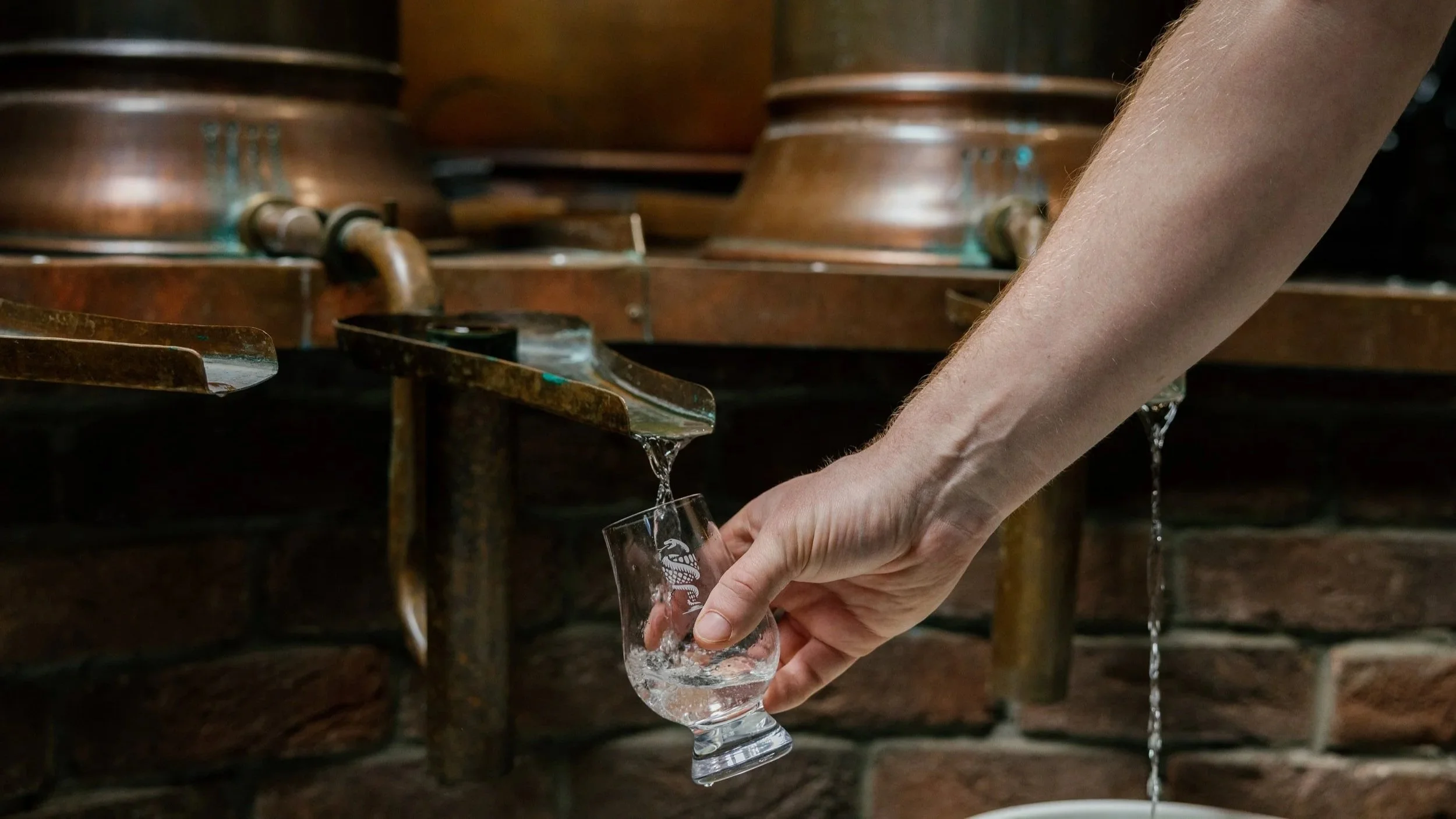
Whether it’s in a gin and tonic, the base of a Last Word, or just on the rocks, gin is a spirit that stands out with its distinct juniper flavor. At Chemist Spirits, we’re known for our gin, especially as the spirit that got us started.
But what is gin? Where did it come from? What are the different types, and why don’t I have a Gin and Tonic in my hand right now?
In this article, we’ll break down what gin is, its history, and some of the main types you can choose from.
What Is Gin?
To put it simply, gin is a distilled grain spirit that is flavored with juniper berries and other botanicals. In order for a spirit to be considered gin it must follow these rules:
Juniper (juniperus communis) must be the main characteristic or flavor
Must meet a minimum Alcohol by Volume (ABV) of 40% in the US and 37.5% in the UK/EU (80 proof and 75 proof respectively).
The juniper flavor can be imparted through distillation, infusion, or compounding.
Since those rules aren’t so restrictive, there can be, and are, a wide variety of types of gins that result in different flavors, colors, and potencies. To understand gin a little bit more, let’s delve into the history and different types:
How is Gin Made?
The process of making gin is simple but not easy.
Step 1: The Neutral Spirit
First, a neutral spirit must be made to form the base of the gin. This neutral spirit is most commonly made from grains like wheat, rye, corn, or barley. The fermented liquid is distilled to separate and purify the alcohol and make a spirit that is clear, similar to vodka.
Our neutral spirit is made from wheat, which, after the final distillation process, results in a creamy mouth feel and smooth finish.
Step 2: The Botanicals
The next step is to infuse the gin with botanicals, mostly juniper berries. This process is typically done through vapor infusion or steeping.
Our gin is vapor infused, meaning the botanicals are placed in a basket outside of the main still which the vapor passes through. This imparts a smoother finish since the neutral spirit isn’t in direct contact with the botanicals, a method which can draw out more intense flavors.
Other spices or botanicals that are typically added include coriander, citrus peels, and angelica root. In our Navy-Strength Gin, we use Thai Ginger and Spanish Sweet Orange to give it a smooth yet distinctive spice.
Step 3: Final Bottling
Once the gin has been flavored with the botanicals it is then diluted to an ABV of 40% at the least and is bottled. Some gins, like our Barrel-Rested Gin, spend time in a barrel, typically Oak, to create a smoother finish.
A Brief History of Gin
Alcohol had been distilled centuries before the time of gin, and even juniper berries were known for their medicinal purposes, being used to cure Jaundice in Egypt and Colic in Ancient Greece. The first spirit to resemble modern day gin, however, was a Dutch spirit named Genever.
The Original Gin
The main predecessor to gin is a spirit called Genever, or Jenever (YE-NE-VEAR) in Dutch. It’s a Dutch spirit using malted grains, more comparable to whiskey. The flavor was abrasive, so the Dutch added juniper berries to make the spirit palatable.
Genever was used medicinally for years and caught the eyes of British troops when they encountered Dutch soldiers drinking it before engaging in battle. This led to Genever gaining the nickname “Dutch Courage.” The Earl of Leicester, Robert Dudley, brought the spirit back home to England after witnessing its impassioned effects.
Britain Turns Genever to Gin
When William of Orange took the throne in 1689, he encouraged the distillation of the spirit domestically while also placing a tax on French imports. This stuck it to the French and also made gin more accessible and widespread.
By now, gin was being made with English grain and, with no regulation, was being made by anyone. Either from pure ignorance or attempting to cut corners in the distilling process, much gin at the time was dangerous to drink, sometimes resulting in blindness or death.
“Mother’s Ruin” and the London Gin Craze
Would you rather be drinking gin or water from the River Thames? For many London residents the former was the preferred beverage, and many Londoners were drinking the stuff to the point of ruin.
The first half of the 18th century was characterized by the “Gin Craze,” a time in London where heavy gin consumption led to lawlessness and gin dependency. The high gin consumption and lack of regulation led to The Gin Acts: one in 1736, another in 1743, and the final in 1751.
The final Gin Act limited consumption of the spirit by making it illegal for distillers to sell directly to the consumer and limiting access to low-quality gins.
Prohibition and Bathtub Gin
On January 17th, 1920 the U.S. bans alcohol nationwide, the beginning of a legislation termed Prohibition that would last for the next thirteen years. The distilling or consumption of any spirit was deemed illegal, leading many, even those with little to no experience, to make gin in their own home - hence the term “Bathtub Gin.”
This period also saw the popularization of the cocktail. Since alcohol was being produced under cover in guerilla operations, many times by amateurs, spirits were hard to drink on their own. This meant mixing cocktails with other spirits, sweeteners, citruses, and more.
This underground cocktail culture gave way to the Speakeasy, bars designed with tunnels to illegally transport alcohol and architectural add-ons to hide the true intentions of the establishment.
Thankfully, Prohibition ended in 1933, and we no longer have to endure the flavor of bathtub gin.
The Modern Cocktail Renaissance and The Gin Revival
In the early 2000s, cocktails experienced a resurgence in popularity with classic cocktail bars opening in places like Chicago and New York City. The cocktail became cool again and therefore gin took the spotlight.
Classic gin cocktails like The Last Word, Negroni, and French 75 became bar staples and new gin distilleries emerged focusing mainly on American or New World style gins.
The exploration of gin was taken on by people with no distilling experience like Debbie Word, her daughter Danielle, and James Donaldson, who had a passion for the spirit and the vision to create Chemist American Gin. This gin uses local ingredients from North Carolina and, like many American gins, softens the juniper flavor.
As you can see, gin isn’t sequestered to one flavor profile; there are plenty of gins out there and each type is geared toward a different palate.
Types of Gin
There are many different types of gin and different gins are being made all of the time, but there are some main types you should familiarize yourself with. This will come in handy when you’re shopping for a gin at the liquor store or trying to discover which gin is right for your palate.
Genever (Gin’s Ancestor)
As mentioned earlier, this spirit is considered the predecessor to gin, and the name “gin” comes from Genever. This spirit uses distilled malt and juniper berries and is actually more similar to whiskey in its base than gin.
Although not commonly used in America in cocktails, it has been known to show up in cocktail bars more recently. You can use it to replace gin in many cocktails like a Tom Collins or Gimlet, but a popular modern cocktail that uses Genever is the Flying Dutchman.
London Dry
This gin is going to be crisp and dry, using juniper as its dominant ingredient and flavor. The resulting spirit has no added coloring or flavors after the distillation process. The heavy use of juniper gives this the signature pine flavor that many associate with gin.
A London Dry Gin is great for those who love a dryer Martini or enjoy a Gin and Tonic that crisp and pine forward.
Old Tom Gin
In order to cut the dryness common in a London Dry gin, many distillers would add sugar to the distilled product. This resulted in a sweeter gin, called Old Tom Gin, that was easier to drink and perfect for, most popularly, the Tom Collins.
Plymouth Gin
This gin is only produced in Plymouth, England and has a softer flavor compared to a London Dry. This is thanks to the addition of lemon, orange, and roots like angelica and orris that provide an earthy layer.
The juniper flavor is toned down in Plymouth Gin since it uses a higher proportion of roots and citrus to juniper berries. Plymouth-style gin can only be found from one brand, Plymouth, distilled at the Black Friars Distillery in Devon,
Navy-Strength Gin
The British Royal Navy in the mid-18th century faced a big issue: what if you’re out at sea, hit turbulent waters, and your gin rations topple and spill all over your gunpowder? Well, you’re in trouble if you come across an enemy ship and your gunpowder is now soaking wet and useless.
So what do you do? Get rid of your gin rations altogether? You’d have a mutiny on your hands after telling your sailors the gin rations are over for the good of the Queen. Instead, you make Navy Strength gin. This gin was distilled and left at a higher proof so that in the case it spilled on gunpowder, its proof was high enough to still ignite.
Fun Fact: The benefit of its combustibility was also the ability to show “proof” of its potency. Back in the 16th century, the best way to show that a spirit had the strength promised, was to mix it with gunpowder and attempt to ignite it. If it was successful, it was “proof” of the spirit’s potency, hence the term’s use today.
We love to use our Chemist Navy-Strength Gin in cocktails when the gin flavor has to stand out next to other bold ingredients, i.e. a Gin and Tonic or a Negroni.
Barrel-Rested Gin
In order to achieve a smoother and deeper flavor, some gins were left to rest or finish in barrels. The result is a gin perfect for beginner gin drinkers who are partial to whiskey. Because gin is considered an unaged spirit by the US Alcohol and Tobacco Tax and Trade Bureau (TTB), gin can only be called barrel-rested, barrel-finished, barreled gin, or oak-rested.
We like using our Barrel-Rested Gin in cocktails like a Martinez or Gimlet since it adds a depth of flavor with notes of Oak. Since the botanicals don’t bite so hard, barrel-rested gin creates a rounder mouth feel and smoother finish.
American (New World) Gin
American, or New World, Gins tend to dial down the juniper flavor and introduce different botanicals, fruits, flowers, spices, and other ingredients for a more complex flavor profile. This results in more complex gins that can range anywhere from sweet to dry.
Our American Gin uses many botanicals local to Western North Carolina and can be used in a wide range of cocktails since it’s floral, citrusy, and slightly dry. Since American Gins range in flavor so much, it’s tough to pinpoint any particular cocktail that they’re most appropriate for, but we love to put our American Gin in something like a Bee’s Knees or Vesper Martini.
Gin Liqueurs
Gin Liqueurs are more cordial versions of gin, typically using additional sugars and flavors to add sweetness and a rounder mouth feel. Gin Liqueurs are typically not classified as gin since many don’t meet the minimum ABV requirements.
A common gin liqueur is Sloe Gin which uses gin as a base but adds sugar and sloe berries and also lowers the ABV below the necessary minimum for gin. Another example of a gin liqueur is our Chocolate Orange Liqueur which uses Spanish Orange peels and cacao husks for a luxuriant mouth feel and flavor.
Sloe Gin is commonly found in a Sloe Gin Fizz while something like our Chocolate Orange Liqueur can be used in something like a White Russian or even a Negroni or Old Fashion to give it dessert vibes.
Conclusion
From a malty Dutch spirit to one that is now hard to define, since its flavors range so much, gin now dominates much of the spirit and cocktail world.
It’s definitely dominated our passion over the years, and we at Chemist continue to experiment with new flavors and ideas with the same fervor that put our American Gin and our single malt whiskeys on the map
So, go to your liquor store and buy a new bottle, ask the bartender to make you their favorite gin cocktail, or invite a Chemist gin to a gin-tasting party.
After all, it’s only by tasting gin that you can really answer the question, what is gin?
Frequently Asked Questions About Gin
Can You Make Gin from Vodka?
Yes, you can make gin from vodka. Since vodka is a neutral spirit that can be made from a variety of bases, many gins are made from some kind of Vodka. Our Vodka uses wheat, which can add a smooth finish to a gin.
What Does Gin Taste Like?
Since gin is made primarily from juniper berries, the flavor of gin will be piney and slightly dry. Different types of gin will have different flavor profiles. With the advent of new world gins, like those from Chemist, gin can also have more citrus or ginger spicy notes or can even be floral, sweet, and more.
